Cultural Context
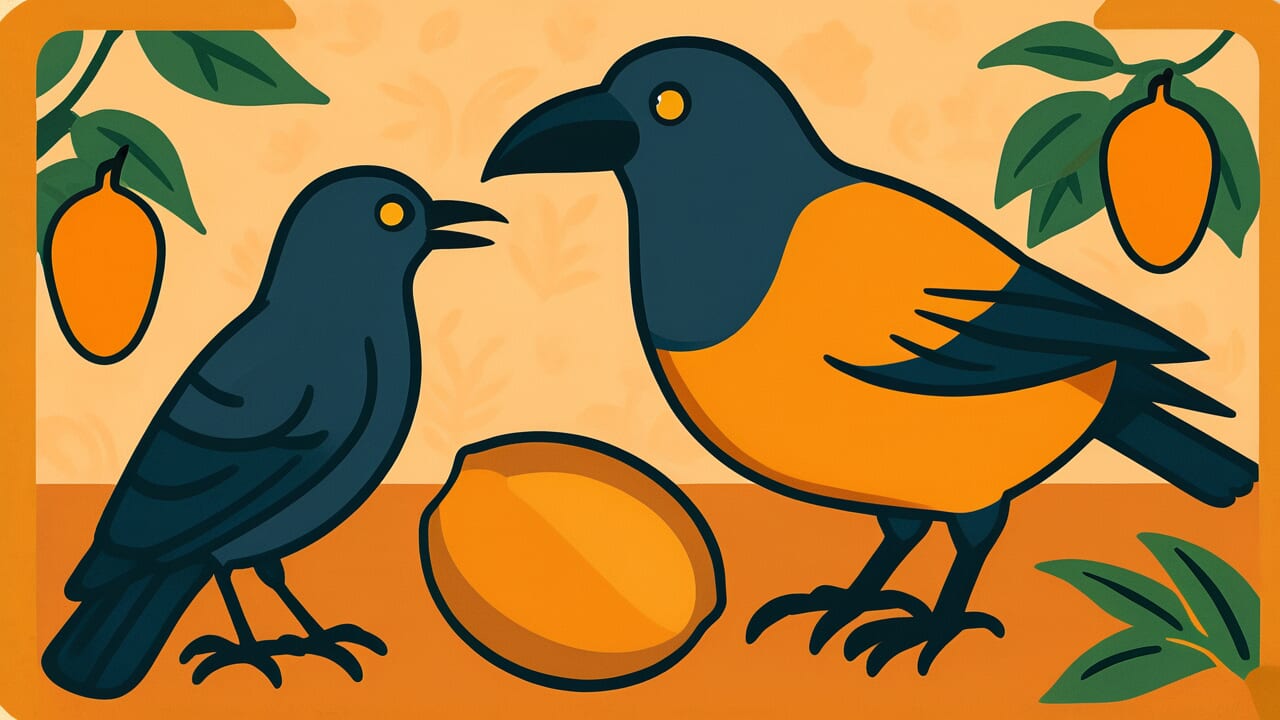
This Tamil proverb uses two trees deeply embedded in South Asian life. The mango tree produces sweet, prized fruit that everyone desires. The neem tree yields bitter fruit that few creatures want.
In Indian culture, both trees hold significant meaning beyond their fruits. Mango represents prosperity, sweetness, and desirability in daily life.
Neem symbolizes bitterness but also medicinal value and resilience. Parrots are seen as discerning birds that choose quality. Crows are viewed as less selective, eating what others reject.
This imagery reflects a practical worldview common in Indian villages. People observe nature closely and draw life lessons from it. The proverb acknowledges that not everything suits everyone equally.
It validates different preferences without judgment or hierarchy. This wisdom gets shared during family conversations and community gatherings.
Elders use it to help younger generations understand natural differences.
Meaning of “When the mango ripens, it’s for the parrot; when the neem ripens, it’s for the crow.”
The proverb states a simple truth about natural fit and suitability. When mangoes ripen, parrots enjoy them because they love sweet fruit. When neem fruits ripen, crows eat them without complaint.
Each creature finds what suits its nature and needs.
The deeper meaning addresses how different things suit different people naturally. A prestigious corporate job might be perfect for one person.
That same position could make another person miserable and unfulfilled. A quiet village life might bore someone who thrives on excitement.
Yet it could be ideal for someone seeking peace and simplicity.
Consider education choices as an example of this principle. Engineering programs attract students who enjoy logical problem solving and mathematics.
Arts programs draw those who think creatively and value expression. Neither path is superior; each serves different natural inclinations.
A job in sales suits outgoing personalities who gain energy from interaction. Research positions fit those who prefer deep focus and solitary work.
Forcing the wrong match creates frustration for everyone involved.
Origin and Etymology
It is believed this proverb emerged from agricultural communities in Tamil Nadu. Farmers and villagers observed birds and trees across many generations.
They noticed consistent patterns in how different creatures chose their food. These observations became condensed into memorable sayings that taught practical wisdom.
Tamil oral tradition preserved such proverbs through centuries of repetition. Grandparents shared them with grandchildren during everyday activities and conversations.
The sayings appeared in folk songs, stories, and community teachings. They were not written in ancient texts but lived in speech. Over time, these proverbs spread beyond Tamil regions to other parts.
The core message remained consistent even as language and context shifted.
The proverb endures because its truth remains observable and verifiable today. Anyone can watch birds and see this principle in action. The metaphor translates easily across cultures and time periods.
Its non-judgmental tone makes it useful in many conversations. People appreciate wisdom that acknowledges diversity without creating hierarchies or conflicts.
Usage Examples
- Friend to Friend: “He only shows up when there’s free food, never when we need help – When the mango ripens, it’s for the parrot; when the neem ripens, it’s for the crow.”
- Coach to Assistant: “That player wants glory in victories but disappears during tough practice sessions – When the mango ripens, it’s for the parrot; when the neem ripens, it’s for the crow.”
Lessons for Today
This proverb matters today because modern life often pressures conformity. Society suggests certain paths are universally better than others.
This creates unnecessary suffering when people force themselves into unsuitable roles. Understanding natural fit reduces frustration and increases genuine satisfaction.
Recognizing this principle helps in career decisions and relationship choices. Someone might leave a high-paying job that drains them daily.
They find fulfillment in lower-paid work that matches their values. A person might end a relationship that looks perfect externally.
They choose a partner who truly complements their personality instead. Parents might release expectations about their children’s career paths.
They support choices that align with their children’s actual strengths.
The key is distinguishing between genuine unsuitability and temporary discomfort. Growth sometimes requires pushing through initial difficulty in suitable situations.
But forcing a fundamentally wrong fit rarely produces good outcomes. When we honor natural differences, everyone finds their appropriate place.
This creates healthier communities where diverse contributions are valued equally.


Comments