Cultural Context
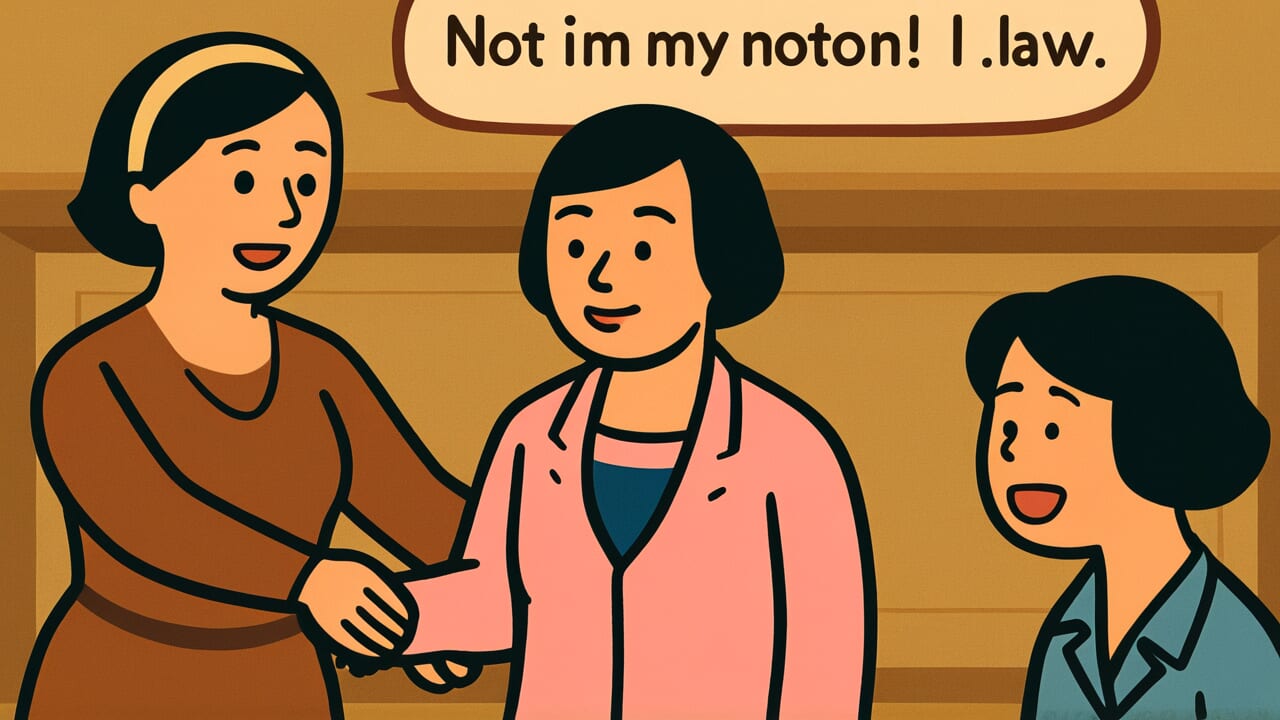
In traditional Indian households, the mother-in-law and daughter-in-law relationship holds significant importance. This Tamil proverb reflects a universal family dynamic observed across India.
The relationship often involves complex power structures and expectations.
Indian joint family systems historically placed multiple generations under one roof. The mother-in-law typically held authority over household matters and traditions.
The daughter-in-law entered as a newcomer, expected to adapt and prove herself. This created natural tension between established authority and new family members.
The proverb is often shared among women with knowing smiles and sighs. It acknowledges an uncomfortable truth about family dynamics without assigning blame.
Mothers share it with daughters before marriage, preparing them for reality. The saying validates feelings while suggesting acceptance of this challenging relationship.
Meaning of “There’s no daughter-in-law who has pleased her mother-in-law, and no mother-in-law who has pleased her daughter-in-law.”
This proverb states that mothers-in-law and daughters-in-law rarely satisfy each other completely. Each finds fault with the other, creating perpetual tension.
The saying suggests this conflict is almost inevitable in family structures.
The proverb captures how different expectations create constant friction between generations. A mother-in-law might criticize how her daughter-in-law cooks traditional dishes differently.
The daughter-in-law might feel her modern parenting choices face unfair judgment. At family gatherings, the mother-in-law may comment on household management standards.
The daughter-in-law might privately resent interference in her marriage decisions.
The saying does not celebrate this conflict but acknowledges its commonality. It suggests that pleasing each other completely may be unrealistic.
The proverb offers perspective rather than solutions to this age-old tension. It reminds people that this struggle is shared across many families.
Understanding this pattern can reduce feelings of isolation or personal failure.
Origin and Etymology
It is believed this proverb emerged from centuries of joint family living. Tamil culture, like many Indian traditions, emphasized extended family households.
These living arrangements naturally produced recurring patterns of interpersonal conflict and adjustment.
The wisdom was likely passed down through oral tradition among women. Mothers prepared daughters for married life by sharing such realistic observations.
The proverb survived because it named an experience many women recognized immediately. Unlike idealistic sayings about family harmony, this one acknowledged difficult truths.
The saying endures because the relationship dynamics it describes remain relevant today. Even in modern nuclear families, mother-in-law and daughter-in-law tensions persist.
The proverb’s honest assessment resonates across generations and geographic boundaries. Its survival suggests that acknowledging problems can be as valuable as solving them.
Usage Examples
- Friend to Friend: “They keep criticizing each other’s cooking and cleaning habits – There’s no daughter-in-law who has pleased her mother-in-law, and no mother-in-law who has pleased her daughter-in-law.”
- Counselor to Client: “Both complain about the other constantly but neither tries to compromise – There’s no daughter-in-law who has pleased her mother-in-law, and no mother-in-law who has pleased her daughter-in-law.”
Lessons for Today
This proverb matters today because it validates difficult family experiences without shame. Many people struggle with in-law relationships and feel alone in their frustration.
Recognizing that conflict is common can reduce guilt and unrealistic expectations.
The wisdom suggests accepting imperfect relationships rather than forcing impossible harmony. A daughter-in-law might stop trying to earn constant approval and focus on respect.
A mother-in-law might recognize that different does not mean wrong. Both can maintain boundaries while staying civil during family occasions.
The key is distinguishing between acceptance and resignation to mistreatment. The proverb acknowledges tension but does not excuse cruelty or disrespect.
Healthy relationships require effort from both sides, even when perfect satisfaction seems impossible.
Understanding this pattern helps people navigate family dynamics with more realistic expectations.


Comments