Cultural Context
In Tamil culture, trees and earth symbolize unconditional generosity and selfless giving. These natural elements provide without expecting anything in return.
This imagery reflects deeply held values about gratitude and reciprocity in relationships.
The proverb speaks to a fundamental principle in Indian philosophy about dharma. Dharma includes the duty to acknowledge kindness and repay goodness.
Betraying those who help us violates this sacred social contract. Indian families traditionally teach children to respect benefactors and remember acts of kindness.
This wisdom appears frequently in Tamil literature and everyday conversations. Elders use it to warn against ingratitude and teach moral responsibility.
The natural imagery makes the lesson memorable across generations. It reminds people that betraying kindness is as unnatural as harming what sustains you.
Meaning of “The tree gives shade to the one who cuts it, and the earth gives space to the one who digs it.”
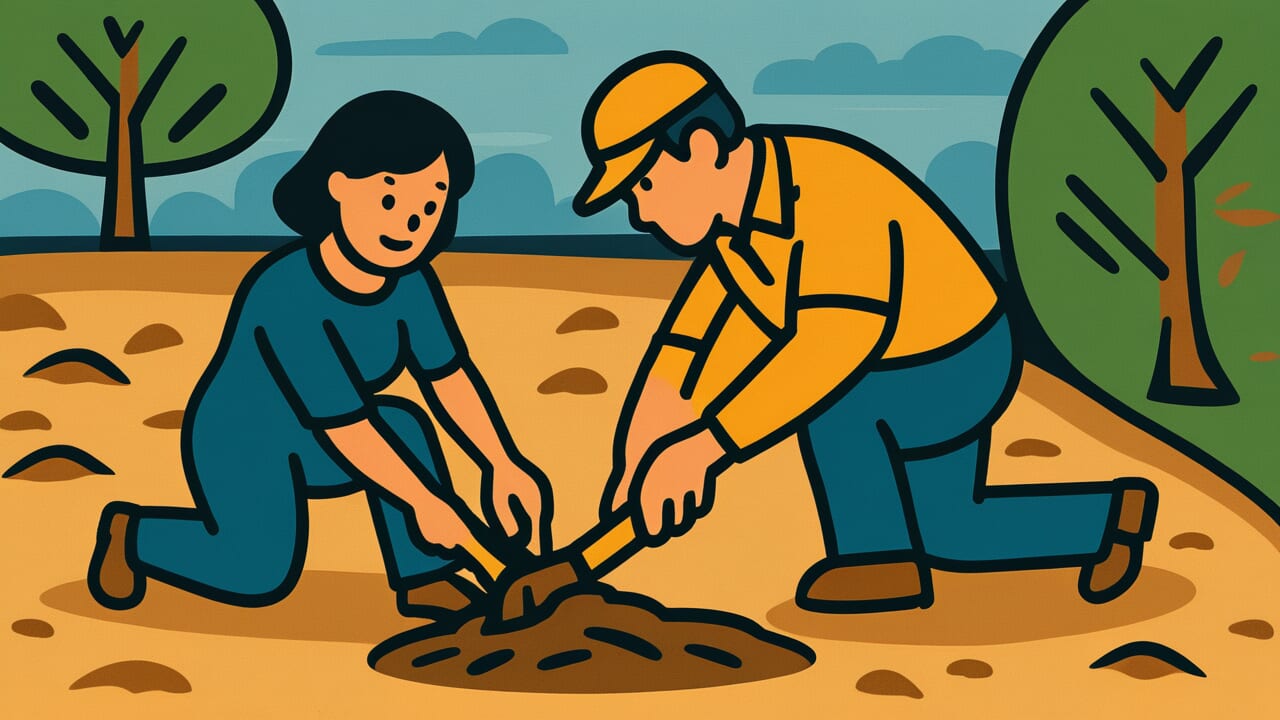
The proverb describes nature’s unconditional generosity even toward those who harm it. A tree provides shade to the person cutting it down. The earth offers space to someone digging into it.
Both give without judgment or resistance.
This teaches about people who betray their benefactors or helpers. Someone might undermine a mentor who trained them at work. A student might spread rumors about a teacher who helped them succeed.
A business partner might cheat the person who gave them their start. The proverb criticizes such ingratitude as fundamentally wrong and shameful.
The imagery emphasizes how unnatural betrayal truly is. Even mindless nature shows more grace than ungrateful people. The lesson warns against biting the hand that feeds you.
It also reminds us to remain generous even when others disappoint us.
Origin and Etymology
Tamil literature has long used nature imagery to teach moral lessons. Trees and earth appear throughout ancient poetry as symbols of patience and giving.
It is believed these metaphors emerged from agricultural communities observing natural cycles. Farmers understood how nature sustained life without demanding gratitude or recognition.
This type of wisdom passed down through oral storytelling and family teachings. Tamil proverbs were shared during community gatherings and family meals.
Parents used them to shape children’s character and social behavior. The vivid imagery made abstract virtues concrete and memorable for young minds.
The proverb endures because betrayal remains a universal human experience. People still encounter ingratitude in personal and professional relationships.
The natural metaphor transcends cultural boundaries while maintaining its Tamil roots. Its simple truth resonates across different societies and time periods.
The contrast between nature’s grace and human betrayal creates lasting impact.
Usage Examples
- Friend to Friend: “She criticized your cooking but ate three plates of your food – The tree gives shade to the one who cuts it, and the earth gives space to the one who digs it.”
- Coach to Assistant: “He complains about practice but uses all the equipment we provide – The tree gives shade to the one who cuts it, and the earth gives space to the one who digs it.”
Lessons for Today
This wisdom addresses a painful reality in human relationships today. People sometimes harm those who helped them climb higher.
Recognizing this pattern helps us navigate relationships with clearer eyes. Understanding ingratitude exists prepares us without making us cynical.
The proverb offers two practical lessons for modern life. First, choose carefully whom you help and trust with opportunities. Notice whether people acknowledge past kindness or take credit selfishly.
Second, continue being generous even after experiencing betrayal. Like the tree and earth, maintain your integrity regardless of others’ actions.
The key lies in balancing generosity with wisdom. Help others without expecting perfect gratitude in return. But also recognize patterns of exploitation before they cause serious harm.
Set boundaries while keeping your capacity for kindness intact. This protects you without hardening your heart completely.

Comments